
The federally protected Aubry National Glasslands is named for François Xavier Aubry who (apart from Native Americans who roamed there from antiquity) first explored the area in the 1840s. It embraces 93,520 acres and lies in a rough ring around the rim of the Dole impact basin across three different states, embracing the geologically most interesting radius of the Dole meteor strewn field. The borders of this ring are conformed to rectangular section lines, as though it were a low resolution graphic of a fat circle. It is particularly rich in splash-form tektites created from the shales and sedimentary rock prevalent in the area. The area is a veritable museum of impact breccias. Layers of microtektites overlay the bedrock. There are impact glasses ranging from black to gray to green are evident on the surface. Access is by primitive gravel roads, but it remains public land. Typically, however, from November through May the natural glasses on the surface are typically hidden by snow.
At the Dole impact complex the originating event opened fractures in the underlying crust causing deeper sources of magma to rise relatively near to the surface, resulting in a set of geothermal features similar to those found at Yellowstone and Thermopolis. The impacting bolide, estimated to have been approximately 120-150 feet in diameter, has never been recovered but surface fragments with sulfur content are widely evident. Many fumeroles, hot springs, and mud pots exist within the crater, but the most striking feature is a thick and persistent geothermal fog similar to what is found at the Gunnuhver site in Iceland. The rim of the central crater serves to confine this fog, resulting in a micro-climate where the mean daily minimum from December through February hovers near freezing rather than 15 F found outside of the Dole system. Summers inside the crater are uncomfortably sticky and almost tropical, but not unbearably so, as the permanent fog greatly attenuates sunlight.
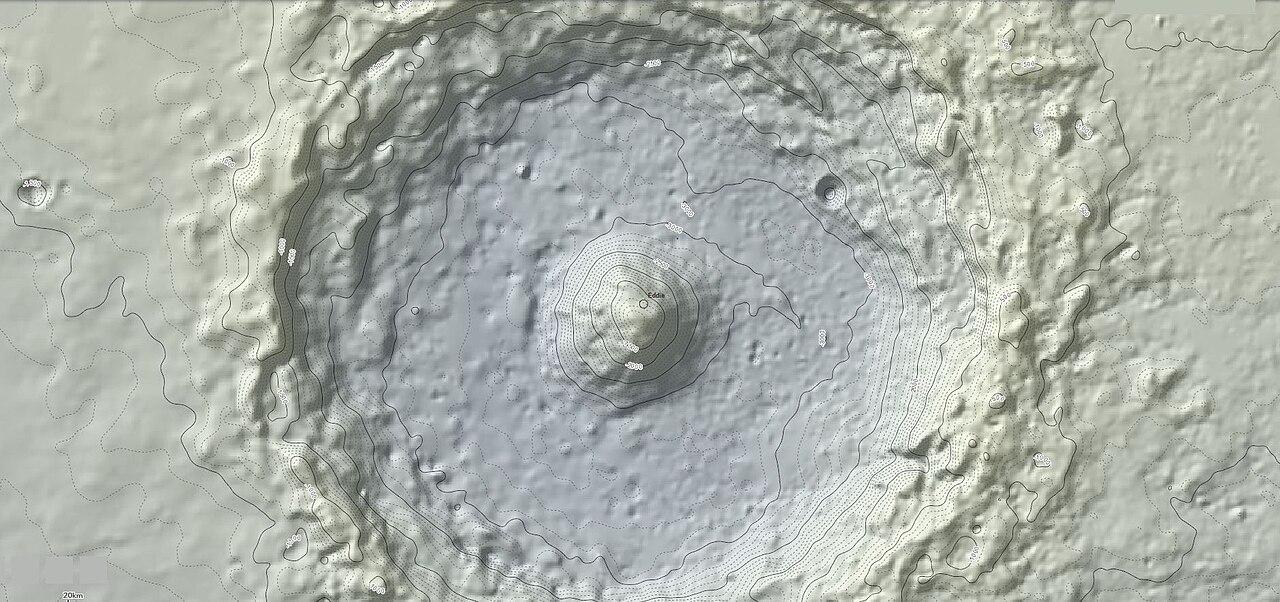
Dole Crater was identified as an complex impact structure in the 1870s and later dated to about 1.6 million years of age. The crater rim rises to a mean 250 feet above the slightly depressed crater floor and 220 feet above the surrounding plains. Migdalel Butte (“Tower of God”) at 370 feet is the remnant of a central splash-back peak, one of the few clear examples of such on Earth, and only the second found in North America. Of the four rivers flowing from the Garden in Eden Gen. 2:11 reads, 𝘛𝘩𝘦 𝘯𝘢𝘮𝘦 𝘰𝘧 𝘵𝘩𝘦 𝘧𝘪𝘳𝘴𝘵 𝘪𝘴 𝘗𝘪𝘴𝘰𝘯: 𝘵𝘩𝘢𝘵 𝘪𝘴 𝘪𝘵 𝘸𝘩𝘪𝘤𝘩 𝘤𝘰𝘮𝘱𝘢𝘴𝘴𝘦𝘵𝘩 𝘵𝘩𝘦 𝘸𝘩𝘰𝘭𝘦 𝘭𝘢𝘯𝘥 𝘰𝘧 𝘏𝘢𝘷𝘪𝘭𝘢𝘩, 𝘸𝘩𝘦𝘳𝘦 𝘵𝘩𝘦𝘳𝘦 𝘪𝘴 𝘨𝘰𝘭𝘥. There was never real gold in modern Havilah, but always much fools gold. The impacting bolide was the origin of much ejecta in the form of iron pyrites. However, compression and fractures in the underlying bedrock accessed a source of natural gas that became important for the economy of Havilah in early 20th Century and justified a rail spur that remains the primary means to access the town.
The Dole crater has been dated to 1.6 million years of age. It is named for Harry Dole, the researcher who first identified it as an complex impact structure in the 1870s. The undulating crater rim is typically 150 feet above the slightly depressed crater floor. Migdalel Butte (“Tower of God”) at 350 feet of prominence is the remnant of a central splash-back peak, one of the few clear examples of such on Earth and only the second in North America. The town of Havilah is named from Genesis 2:11 – 𝘛𝘩𝘦 𝘯𝘢𝘮𝘦 𝘰𝘧 𝘵𝘩𝘦 𝘧𝘪𝘳𝘴𝘵 𝘪𝘴 𝘗𝘪𝘴𝘰𝘯: 𝘵𝘩𝘢𝘵 𝘪𝘴 𝘪𝘵 𝘸𝘩𝘪𝘤𝘩 𝘤𝘰𝘮𝘱𝘢𝘴𝘴𝘦𝘵𝘩 𝘵𝘩𝘦 𝘸𝘩𝘰𝘭𝘦 𝘭𝘢𝘯𝘥 𝘰𝘧 𝘏𝘢𝘷𝘪𝘭𝘢𝘩, 𝘸𝘩𝘦𝘳𝘦 𝘵𝘩𝘦𝘳𝘦 𝘪𝘴 𝘨𝘰𝘭𝘥. There was never gold in modern Havilah, but there has always been much fools gold. The impacting bolide was the origin of much ejecta in the form of iron pyrites. However, the impact on the underlying sedimentary rock and the resulting fractures in the bedrock accessed natural gas important for the economy of Havilah in early 20th Century and justified a rail spur that remains the primary access to the town.
At the center of the ring of protected glasslands the originating impact and the resulting fractures in the underlying crust caused deeper sources of magma to rise relatively near to the surface, resulting in geothermal features similar to those found at Yellowstone and Thermopolis. The bolide, estimated to have been on the order of 150 feet in diameter, remains largely unrecovered but many surface fragments with sulfur content are evident. There are fumeroles, hot springs, and mud pots in the crater, but the most striking feature is a thick and persistent geothermal fog similar to that found at Gunnuhver in Iceland. The low rim of the central crater tends to confine this fog. This creates a microclimate within the crater where the mean daily minimum from December through February hovers around freezing (32F) rather than 15 F found outside of the Dole system. Summers inside the crater are uncomfortably sticky and almost tropical, but not unbearably so, as the permanent fog greatly attenuates sunlight.
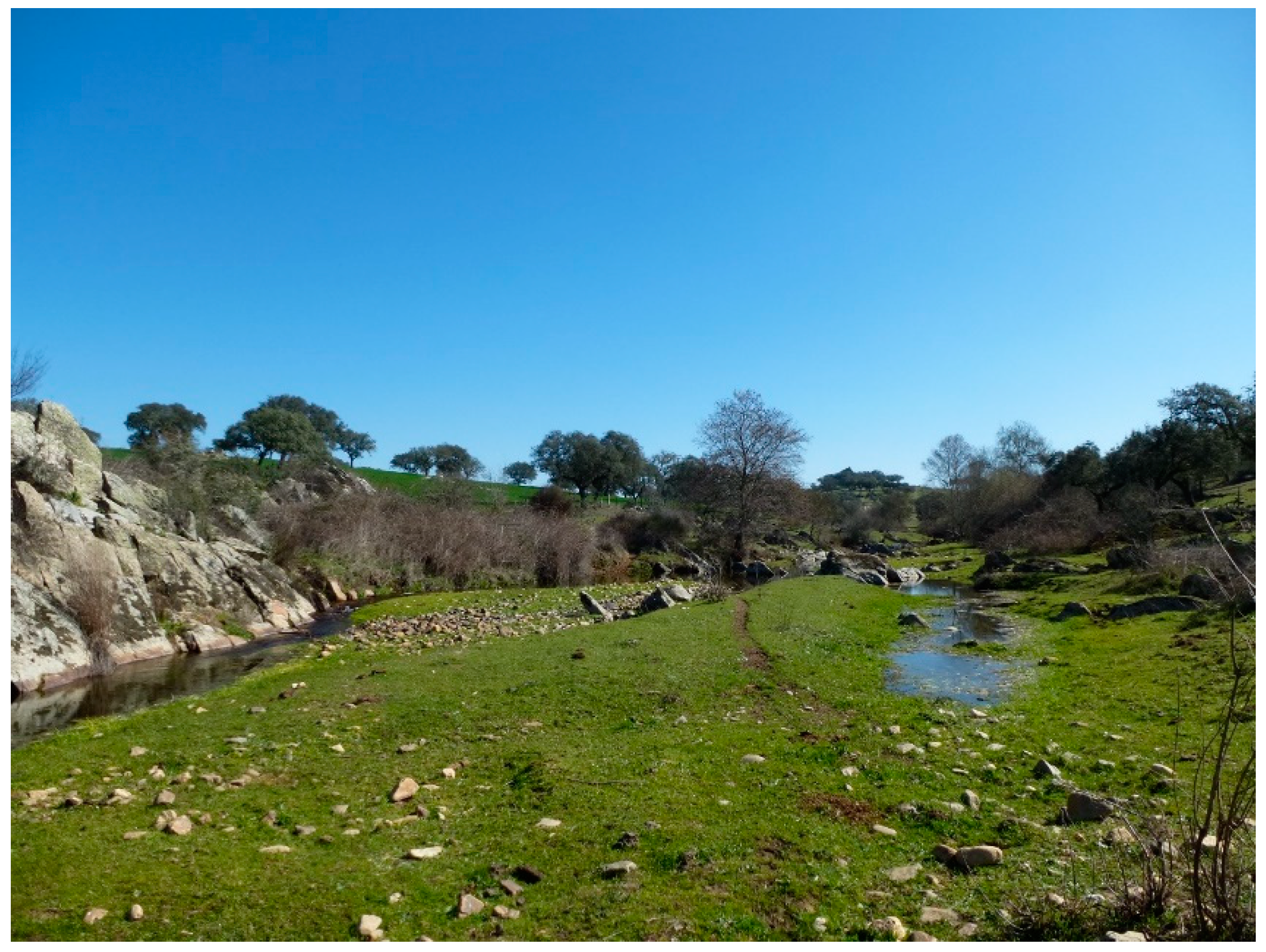
The Pison River begins in an underground pool of warm water in the center of the Dole impact complex and enters Lake Taijitu on the east side of the crater interior. The name of this lake suggests its Yin-Yang shape: there is a small round island in the widest portion. The lake overflows the lowest part of the rim and after penetrating a short winding gully cutting through the crater rim it meanders roughly east by northeast across the Great Plains and eventually becomes a string of isolated ponds in a twisting ravine some two hundred miles long. With the exception of one or two rainy weeks in spring and again in autumn the Pison River parallels the White through much of South Dakota but never quite reaches the Missouri River intact. The Pison is named from a mythical river in Genesis (using the KJV spelling) that has never been identified. The same passage also gave the name Havilah to the town that was platted out inside the crater along the west side beginning in 1866.
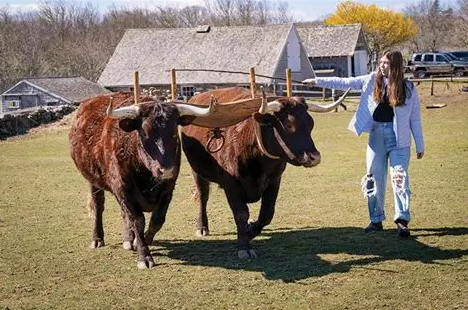
The majority of residents in Havilah are descendants of a group of German-American pacifists who fled Maryland during the Civil War when their cornfields became battlefield cemeteries and their meetinghouse became an abattoir. As they wintered over in Missouri during their 1865 migration a child among the settlers named Linda Bergin learned that some oxen were not so easily turned by the touch of a pole. They were called “stiff of neck” and this was the cause for many references in the Bible which referred to the children of Israel as a stiff-necked people. But the cherub Ariel told her such stubbornness was really a good thing if it was desired to move toward a single goal without turning to one side or the other, which was indeed the case. So little Linda took to calling the pilgrims “Stiffnecks” and it quickly caught on. To this day the Protestant white folk of Havilah, the ones who have not been driven off by the unearthly location itself, proudly call themselves Stiffnecks.
The sky is never visible from Havilah; there are no stars evident, no moon, and no sun. The high humidity flattens the temperature gradient between night and day. Street lamps backlight the fog by night, and by day things don’t get much brighter. There are no discernible shadows, so sundials are useless. The result is a timeless suspension that plays havoc with circadian rhythms and the perpetual lack of direct sunlight adversely effects the psychology of people in Havilah. When television took hold across the rest of the country Havilah missed out. The signals from KTWO-TV out of Casper with ABC programming, and KGWN out of Cheyenne, a CBS affiliate, are very weak in Havilah due to distance and the lack of direct line-of-sight, they can only be picked up by hobbyists with antennas installed on the top of the crater rim. Angel Academy operates one local radio station broadcasting from the summit of Migdalel Butte that offers no current news, and plays a diverse mix of songs from every preceding decade.
Havilah is unique among the towns on the North American central plains outside of the reservations in that the native population stands at 21 percent. The Kuwapi band of Oglala Sioux have had a curiously close and fruitful relationship with House Haivri and the white settlers who first settled in the area in 1866. This arrangement paid off as barbed wire began to proliferate and cause the bison to become nearly extinct. Town life in Havilah and the surrounding farms (both inside and outside the Dole impact system) allowed the Kuwapi people to avoid removing to the nearby Pine Ridge reservation just to survive. In the Lakota tongue Kuwapi means “The Cast Out Ones” or “The Ones Who Follow” but in Havilah they did not live up to their namesake. Most of the Stiffnecks remain blissfully unaware they are sharing their town with actual winged angels, yet there is not a child among the Kuwapi unaware they are living alongside White Buffalo Calf Woman (Ariel) and her kin.
The winter fog and geothermal warmth in Havilah reduces frost severity. Root crops overwinter in the ground. Perennials survive that would normally die back. The growing season stretches at both ends, with early planting heralded by the high water marks on the lake. Persistent geothermal fog means chronically high nighttime humidity and long periods of leaf wetness. Plants stay damp for hours after sunrise. That is paradise for fungi and oomycetes, powdery mildew, downy mildew, rusts, blights. Leaves look lush, then spot. Locals have developed a sixth sense for rot and know that vent-adjacent soils only complicate things further. Warm ground encourages early root growth, but sulfurous gases and acidic condensate stresses plants unpredictably. A garden bed ten yards from a fumarole grows tomatoes like a fairy tale but five yards closer and nothing but sickly chard survives. In the fog crops grow leggy, reaching for light that doesn’t reliably arrive. Leafy greens tolerate this but fruiting plants sulk.
Havilah has a telephone system that hasn’t changed since the 1920s, with three operators working corded switchboards, and frankly the people of the town wouldn’t have it any other way. These women are known by name to all of the townspeople, and most assume they are listening in on the phone conversations out of boredom more than anything else. There is no long distance operator. Communications in and out of Havilah take place solely over a telex system installed at Migdalel College that hasn’t changed since World War II. Sometimes it not entirely clear whether the messages coming over Telex originate with actual human beings, an artificial intelligence, or God himself. Trains arrive on an irregular schedule, with a variety of locomotives, and the schedule known only to a narrow set of interested parties: the workmen who handle cargo, the townspeople with tickets to leave and the ones waiting for relatives to arrive. It seems not even the railroad serves as a clock in Havilah

 Terminal Cruise