
In April of 1942 word arrived of Lt. Colonel James Doolittle’s bold air raid on Tokyo after months of steady bad news following the attack of the Imperial Japanese Navy on Pearl Harbor. To celebrate, the Migdalel College Conservatory held a recital of patriotic John Philip Sousa marches at the Academy’s music hall out on Tin Pan Alley, attended by half of the town of Havilah. The band opened with 𝘏𝘢𝘯𝘥𝘴 𝘈𝘤𝘳𝘰𝘴𝘴 𝘛𝘩𝘦 𝘚𝘦𝘢. This was followed with 𝘚𝘦𝘮𝘱𝘦𝘳 𝘍𝘪𝘥𝘦𝘭𝘪𝘴, the official march of the U.S. Marine Corps. 𝘛𝘩𝘦 𝘓𝘪𝘣𝘦𝘳𝘵𝘺 𝘉𝘦𝘭𝘭 was light and playful, while 𝘌𝘭 𝘊𝘢𝘱𝘪𝘵𝘢𝘯 was flashy, a chance for the class to show off. 𝘛𝘩𝘦 𝘚𝘵𝘢𝘳𝘴 𝘢𝘯𝘥 𝘚𝘵𝘳𝘪𝘱𝘦𝘴 𝘍𝘰𝘳𝘦𝘷𝘦𝘳 was the emotional high point, prompting the crowd of attendees to come to their feat where they were seated. 𝘒𝘪𝘯𝘨 𝘊𝘰𝘵𝘵𝘰𝘯 was big and sweeping, with America rises energy. 𝘛𝘩𝘦 𝘛𝘩𝘶𝘯𝘥𝘦𝘳𝘦𝘳 was bold and declarative. For the finale the class wrapped things up with 𝘍𝘢𝘪𝘳𝘦𝘴𝘵 𝘰𝘧 𝘵𝘩𝘦 𝘍𝘢𝘪𝘳.
During the performance Remiel, twirling her majorette’s baton, happened to dance near her brother’s drum kit. Sammy said, “I don’t see Mom or Dad out there,” and it was true. Remiel searched all the faces in the audience and she didn’t see them. For an encore the class tore into a cover of the Duke Ellington standard 𝘐𝘵 𝘋𝘰𝘯𝘵 𝘔𝘦𝘢𝘯 𝘈 𝘛𝘩𝘪𝘯𝘨 (𝘐𝘧 𝘐𝘵 𝘈𝘪𝘯𝘵 𝘎𝘰𝘵 𝘛𝘩𝘢𝘵 𝘚𝘸𝘪𝘯𝘨) with Remiel soloing with earthy vocals that belied her youth and Cadence “Coyote Cub” Shybear excelling on sax. Many of the Stiffnecks were offended by this sudden insertion of the devil’s own race music into their John Philip Sousa mood and got up to leave the music hall but the show was already over. The encore closed the evening on a high note but for the Zinter kids it didn’t mean a damn thing if their own parents weren’t even there.
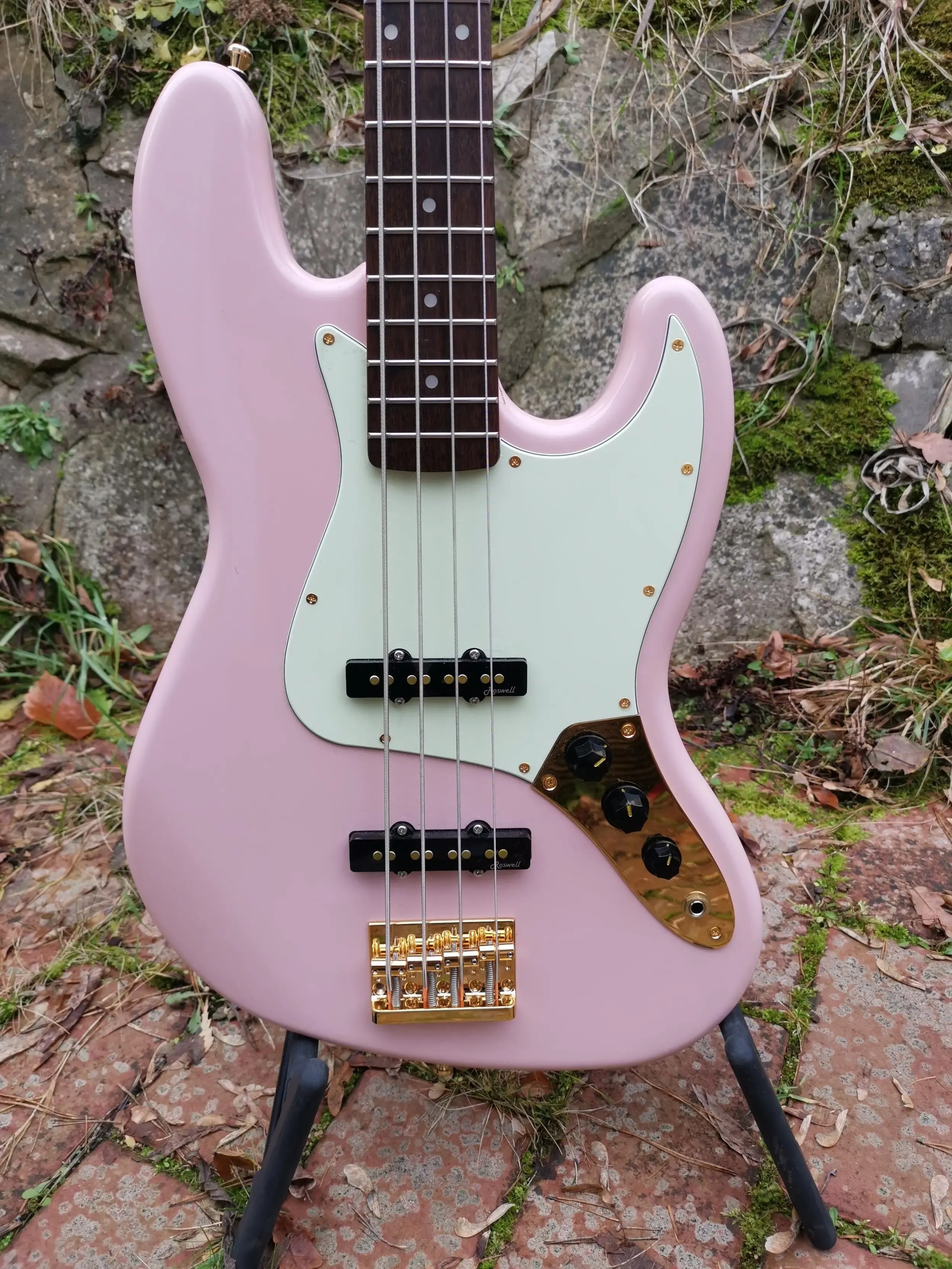
In recitals at Angel Academy Rashiel Shybear played a double-bass standing on an end-pin which she had lengthened to be more comfortable. Sometimes at rehearsals she set down her bow and plucked the strings pizzicato with meandering bass lines while daydreaming she was a black cat slinking around at night. In 1961 when the Havilah Harmonics became Miss Goodmile Rash set aside her acoustic bass (which was always difficult to mic for concerts anyway) and picked up a Fender Precision electric bass, or P-Bass. The notes went through a spring reverb box so she could essentially duet with her own slapped-back notes. But the new electric bass took some getting used to. It lay horizontally across her chest, supported with a shoulder strap, which allowed her to get out of her seat and dance around the stage. Not that it helped her visibility very much. The bass player was absolutely crucial to any band’s sound but typically ignored. Rashiel was confident enough to sing backup but never solo.
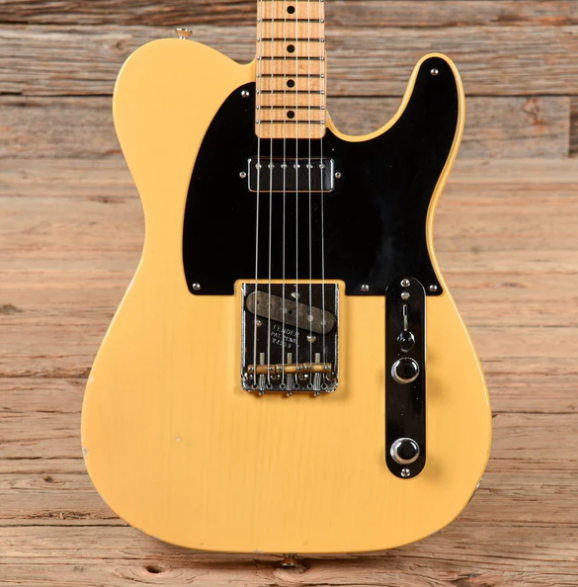
Rashiel’s human brother is Cadence “Coyote Cub” Shybear, a Kuwapi youth. In Lakota Kuwapi means “The Left Behind Ones”. They were a small band of Oglala discontents who thrived in Havilah when the people from nearby tribes, including the Oglala mainline, moved to reservations as barbed wire decimated the herds crucial to their way of life. At Angel Academy and in the Havilah Harmonics Cubby played saxophone. After the band changed their name to Miss Goodmile Cubby began to play a 1951 custom Fender Broadcaster with no model name displayed on the head stock due to a trademark scuffle. Today some collectors call it a Nocaster. The Lord of Hosts Fellowship retained a virulent racism that has been endemic in the church since Havilah was founded in 1866. Cubby’s marriage to Remiel Zinter in open defiance of the customs of the church brought the ugly rot within the church to the surface with bloody results.
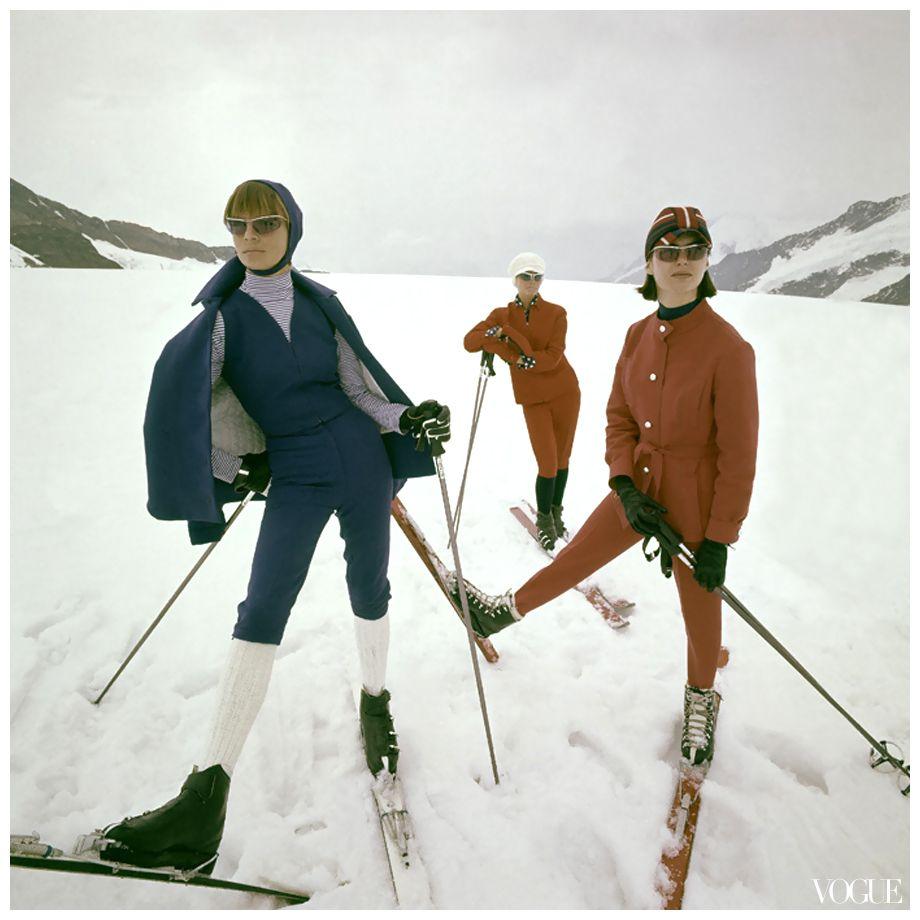
Miss Goodmile were previously known as the Havilah Harmonics. In 1961 they moved from Havilah on the Great Plains to a revitalized ghost town named Franklin in the Seattle area, where they discovered the joys of skiing. In 1962 they released 𝘚𝘵𝘢𝘮𝘱𝘦𝘥𝘦, named for a Cascade mountain pass where they liked to hit the slopes. Some reviewers said the album was a gimmicky attempt to extend the surf music genre to the winter months, but the band members genuinely enjoyed their new hobby and this came out in the music. Miss Goodmile settled into a format for their albums that rarely changed. The first side of 𝘚𝘵𝘢𝘮𝘱𝘦𝘥𝘦 was structured like a typical symphony in pacing and theme. The first track (𝘉𝘳𝘦𝘢𝘬 𝘈 𝘓𝘦𝘨) set the theme with allegro tempo and laid out the stakes. The second track (𝘚𝘪𝘵 𝘉𝘺 𝘔𝘺 𝘍𝘪𝘳𝘦) was a downtempo ballad, adiante. The third track (𝘙𝘦𝘥 𝘏𝘰𝘵 𝘖𝘯 𝘞𝘩𝘪𝘵𝘦 𝘗𝘰𝘸𝘥𝘦𝘳) was a scherzo that segued without pause into the extended sonata instrumental (𝘚𝘦𝘷𝘦𝘯 𝘏𝘶𝘮𝘱𝘴).
Side two of 𝘚𝘵𝘢𝘮𝘱𝘦𝘥𝘦 opens with what the members of Miss Goodmile guessed would be the hit, 𝘚𝘯𝘰𝘸 𝘉𝘶𝘯𝘯𝘺. On this and subsequent albums the fifth track was frequently also released as a 45 single with an unreleased track on the B side. In the case of the debut album the 45 featured the title cut 𝘚𝘵𝘢𝘮𝘱𝘦𝘥𝘦 (appearing as track six on the LP) with 𝘋𝘰𝘸𝘯𝘩𝘪𝘭𝘭 𝘍𝘢𝘴𝘵 on the B side. Track seven was a cover of the instrumental 𝘔𝘳. 𝘔𝘰𝘵𝘰 by the Bel-Airs, and the album closed with 𝘎𝘰𝘯𝘦 𝘚𝘬𝘪𝘪𝘯’ evoking a joyous winter carnival atmosphere. The second side of other Miss Goodmile albums frequently had a similar structure, but actual sequencing changed based on what songs the publishers estimated would get more airplay or whether the cover track was vocal or instrumental.

 Terminal Cruise