
S0

S1

S2
“They’re probably going to have an ice planet.” Carrie Fisher in 1977 talking about what she’s heard about the Star Wars sequel.

S3
S4

S5

S6

S7

S8

S9
SA

SB

SC

SD
SE

SF
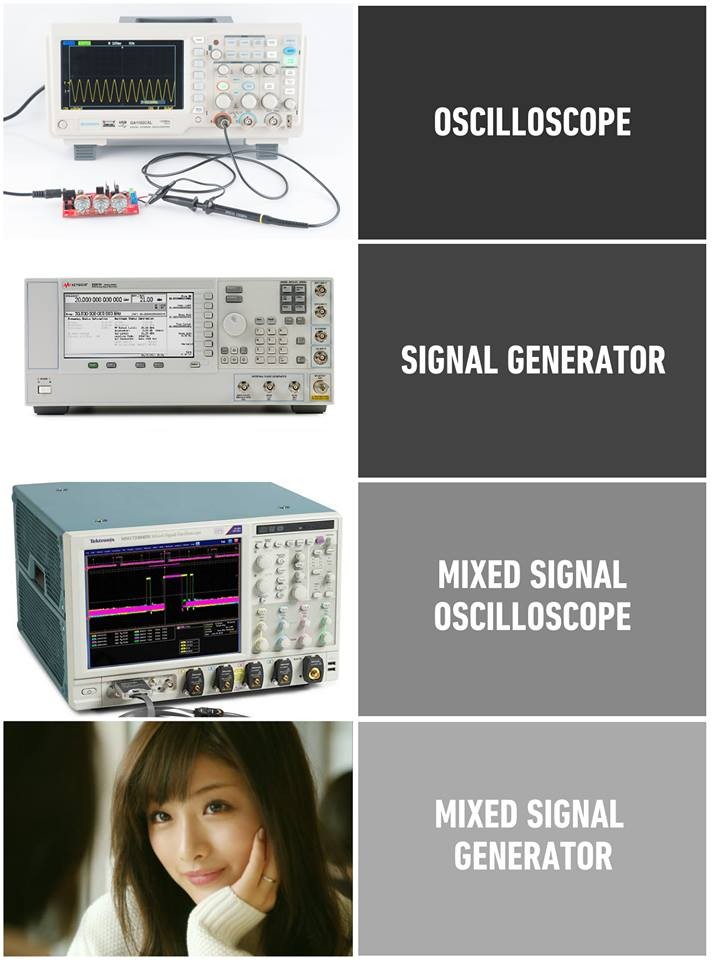
SG

SH
“As regards the individual nature, woman is defective and misbegotten, for the active force in the male seed tends to the production of a perfect likeness in the masculine sex; while the production of woman comes from defect in the active force or from some material indisposition, or even from some external influence; such as that of a south wind, which is moist, as the Philosopher observes (De Gener. Animal. iv, 2).” — St. Thomas Aquinas, Summa Theologica, Q92, Art. I, Reply to Objection 1.

SI

SJ

SK

SL
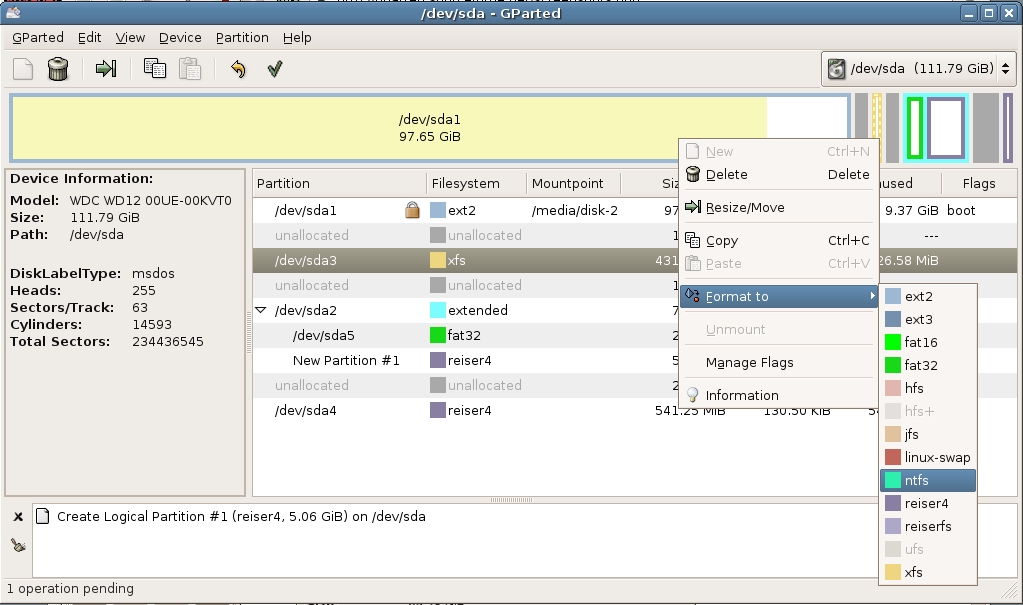
gparted is a GUI based disk partition manager, just like Partition Magic for Windows, but of course it’s absolutely free. Linux can read and write to any file system, even Windows ones. But Windows refuses to even look. It covers its ears and goes, “La la la, I don’t know what that is!” and even third party Windows software will, at best, let you see what’s there but not write out any files or delete them. One caveat: MS-DOS doesn’t recognize any partition created by gparted, even if you create an alleged FAT16 or FAT32 partition. The best I can do from gparted is make the room, and then use FDISK.EXE from MS-DOS while actually in MS-DOS to do the rest.
SM

SN

SO
SP
St. Peter said, “a thousand years is as a day to the Lord” so Seventh Day Adventists have constructed a narrative that depicts human history as a “week” of these super-long “days”. If the Earth is 6,000 years old, hence six symbolic “days”, then we’re on the cusp of the seventh day Sabbath rest, which is called the Millennium, to be inaugurated by Jesus. They can no longer use Archbishop Ussher’s date of 4,004 BCE for creation, because the year 1996 has come and gone with no messianic age in sight. But author Frank Klassen already came to the rescue! In his 1980 update of the Reese Chronological Bible, Klassen gave the date of creation at 3976, hence the Millennium was to begin in 2024. Now it’s back to the drawing board.

SQ
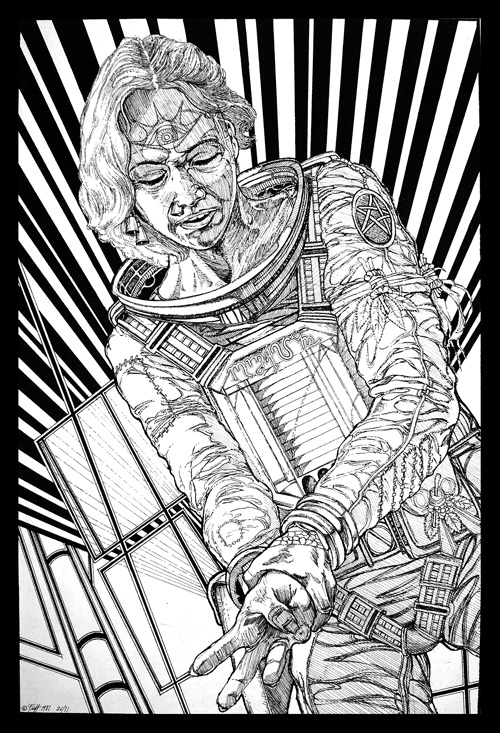
“There was a story that she had bitten off her finger. She had never uttered a word to deny it. There was a quality called labra that the witches valued. It had much to do with honor, with toughness and stoicism, with Eastern concepts of obligation. It might entail dying to a purpose, and with style, or paying any price to cancel debts, to individuals or society. Insisting on standing watches when one was subject to fits of palsy held much labra. Cutting off ones finger to stop the attacks had even more. The witches said Robin had enough labra to fill the wombs of ten ordinary women.” – Wizard, John Varley
SR
“To the north-east rose the shadow-shape, the cloud of evil omen that was called the Building. A growing thing spawned in the mind of ants, built for what purpose and to what end nothing but an ant could even closely guess. But there was a way to deal with ants. The human way. The way Jon Webster had told him after ten thousand years of sleep. A simple way and a fundamental way, a brutal, but efficient way. You took some syrup, sweet, so the ants would like it, and you put some poison in it . . . slow poison so it wouldn’t work too fast. ‘The simple way of poison,’Jenkins said. The very simple way. Except it called for chemistry and the Dogs knew no chemistry. Except it called for killing and there was no killing…” — City, Clifford D. #Simak

Version 1.0.0
SS
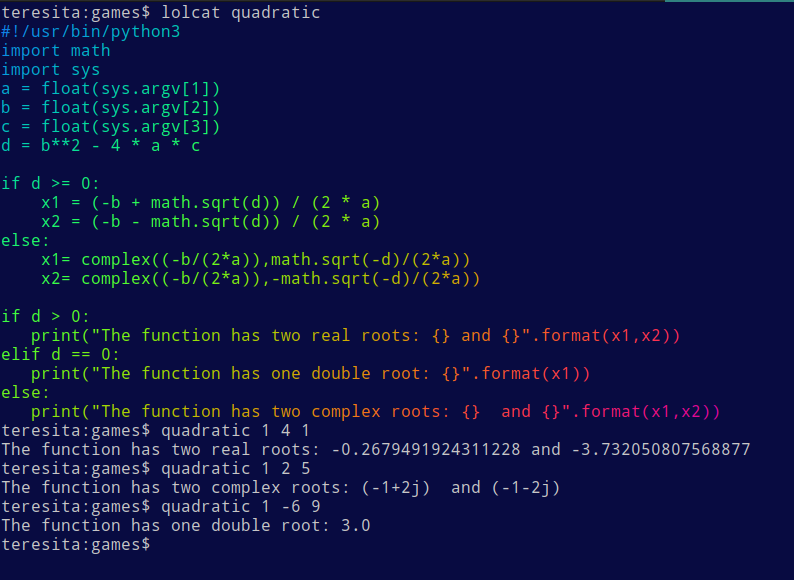
Solve quadratic equations with impunity
#!/usr/bin/python3
import math
import sys
a = float(sys.argv[1])
b = float(sys.argv[2])
c = float(sys.argv[3])
d = b**2 - 4 * a * c

if d >= 0:
    x1 = (-b + math.sqrt(d)) / (2 * a)
    x2 = (-b - math.sqrt(d)) / (2 * a)
else:
    x1= complex((-b/(2*a)),math.sqrt(-d)/(2*a))
    x2= complex((-b/(2*a)),-math.sqrt(-d)/(2*a))

if d > 0:
   print("The function has two real roots: {} and {}".format(x1,x2))
elif d == 0:
   print("The function has one double root: {}".format(x1))
else:
   print("The function has two complex roots: {}  and {}".format(x1,x2))
ST
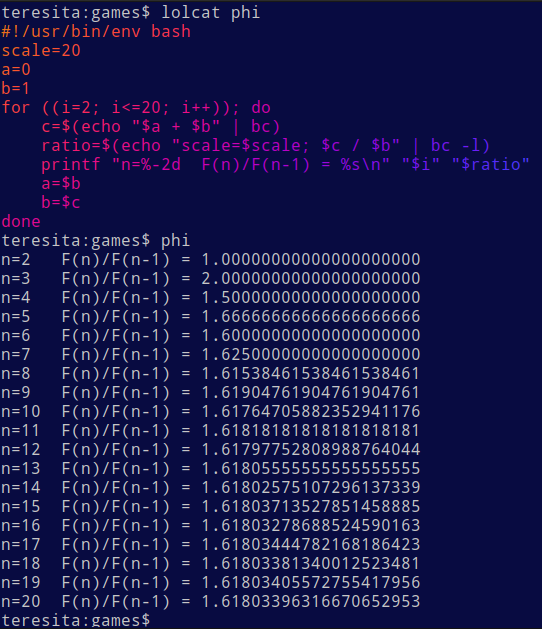
The ratio of increasing adjacent terms in the Fibonacci series approaches phi (the Golden Mean)
#!/usr/bin/env bash
scale=20
a=0
b=1
for ((i=2; i<=20; i++)); do
    c=$(echo "$a + $b" | bc)
    ratio=$(echo "scale=$scale; $c / $b" | bc -l)
    printf "n=%-2d  F(n)/F(n-1) = %s\n" "$i" "$ratio"
    a=$b
    b=$c
done
SU

SV

SW
SX

SY

SZ

 Terminal Cruise